
Amino Acids for Men: Unlock Peak Muscle Recovery
Understanding how essential amino acids drive post-workout recovery, muscle protein synthesis, and sustained athletic performance.
The Science Behind Recovery
- ✓ Muscle Protein Synthesis: Amino acids trigger the cellular machinery that rebuilds muscle fibers after intense training sessions.
- ✓ Reduced Muscle Breakdown: BCAAs (branched-chain amino acids) minimize protein degradation during and after exercise.
- ✓ Energy Replenishment: Amino acids support ATP regeneration, restoring cellular energy reserves for your next workout.
- ✓ Immune Support: Post-exercise amino acid intake helps maintain immune function during periods of elevated training stress.
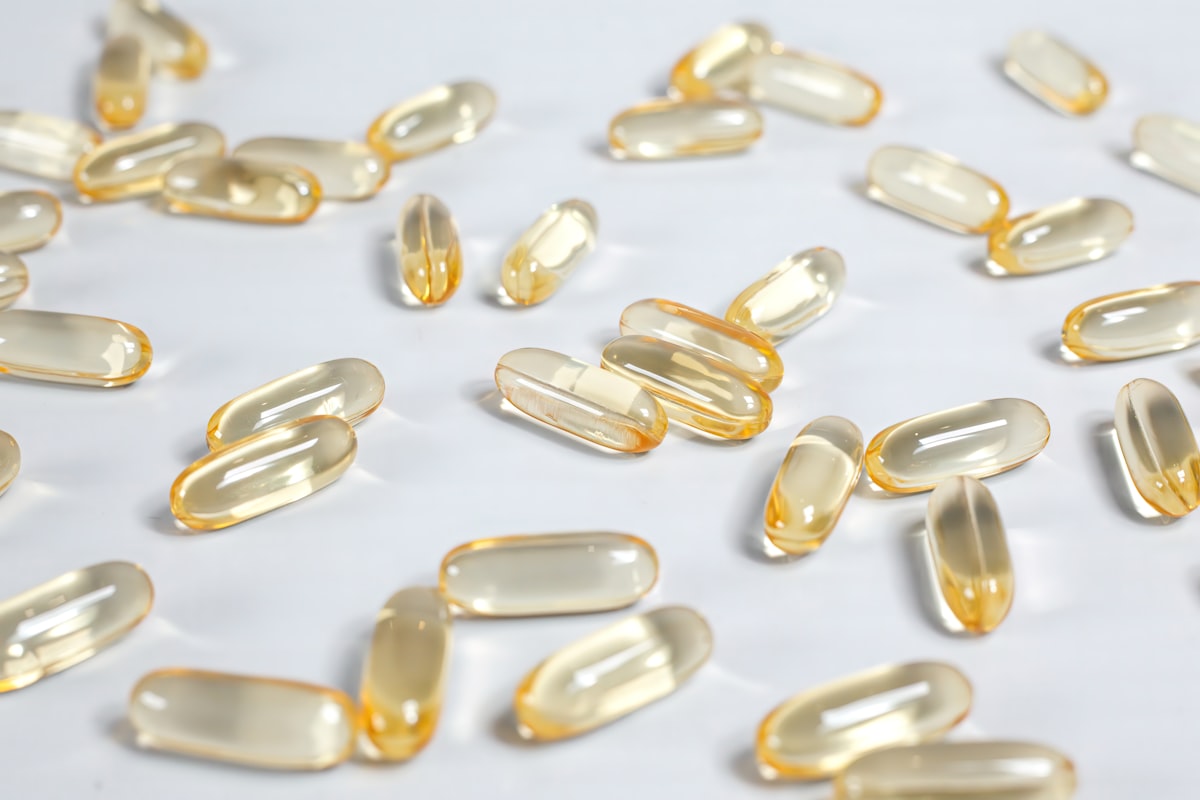
Why Recovery Matters
Your muscles don't grow during the workout—they grow during recovery. When you train intensely, you create micro-tears in muscle fibers. Amino acids provide the building blocks your body needs to repair these tears and build back stronger. Without adequate amino acid availability, your recovery stalls, gains plateau, and injury risk increases.
The information on this site is for educational purposes only and does not constitute medical advice. Always consult a qualified healthcare professional before making health decisions.
The Four-Stage Recovery System
A comprehensive framework for understanding how amino acids work through each phase of muscle recovery.
Acute Response (0–2 hours)
Immediately post-workout, amino acids flood damaged muscle cells. Leucine in particular triggers mTOR signaling, initiating protein synthesis and reducing cortisol-driven muscle breakdown.
Anabolic Window (2–24 hours)
The extended recovery phase when muscle protein synthesis remains elevated. Sustained amino acid availability keeps the muscle-building process active and efficient.
Neurological Adaptation (24–72 hours)
As muscles rebuild, your nervous system strengthens the connections between muscle fibers. Amino acids support myelin formation and neurotransmitter synthesis.
Structural Remodeling (72+ hours)
Complete repair and growth of muscle fiber architecture. Collagen synthesis and enhanced mitochondrial density prepare muscles for the next training stimulus.
Essential Amino Acid Profiles
Leucine
The most potent amino acid for triggering muscle protein synthesis. Activates mTOR signaling and can independently stimulate recovery even without other amino acids present.
- • Optimal dose: 2–3g per serving
- • Peak timing: within 30 minutes post-workout
- • Natural sources: chicken, fish, cheese, eggs
Isoleucine
Works synergistically with leucine to amplify protein synthesis and improve insulin sensitivity. Essential for glucose uptake into muscle cells.
- • Optimal dose: 1–1.5g per serving
- • Ratio to leucine: 1:2 for maximum effect
- • Natural sources: red meat, fish, legumes, nuts
Valine
The third branched-chain amino acid. Prevents muscle catabolism and supports energy production during fasted states or intense training.
- • Optimal dose: 1–1.5g per serving
- • Key role: anti-catabolic protection
- • Natural sources: beef, salmon, peanuts, mushrooms
Lysine
Critical for collagen formation, bone health, and tissue repair. Supports immune function and calcium absorption for long-term structural integrity.
- • Optimal dose: 1–1.5g per serving
- • Secondary function: immune support
- • Natural sources: chicken, beef, pumpkin seeds, lentils
Methionine
Precursor for SAM (S-adenosyl methionine), supporting joint cartilage health and creatine production. Essential for detoxification and antioxidant synthesis.
- • Optimal dose: 0.5–1g per serving
- • Secondary role: joint support
- • Natural sources: Brazil nuts, sesame seeds, garlic, onions
Tryptophan
Precursor for serotonin and melatonin, regulating sleep quality and mood. Superior recovery depends on restorative sleep supported by adequate tryptophan.
- • Optimal dose: 0.3–0.5g per serving
- • Timing: evening for sleep support
- • Natural sources: turkey, chicken, cheese, pumpkin seeds
Why BCAAs Matter for Male Athletes
Branched-chain amino acids (leucine, isoleucine, valine) represent approximately 35% of muscle protein and are uniquely metabolized directly in muscle tissue rather than the liver. This makes them exceptionally effective for rapid recovery signaling.
For male athletes, BCAAs offer particular advantages: they help offset the greater muscle breakdown that occurs during intense resistance training, support testosterone-driven muscle growth, and maintain performance during caloric deficits when lean mass preservation is critical.
BCAA Timing Matters
30 minutes before training
Primes muscles and reduces fatigue perception during the session.
During extended sessions (90+ minutes)
Maintains amino acid availability and supports endurance performance.
Immediately after training
Maximizes the anabolic window and accelerates protein synthesis initiation.
Recovery Impact by Numbers
Research-backed insights into how amino acid nutrition influences muscle recovery outcomes.
Faster Recovery Time
Athletes consuming adequate essential amino acids report measurably reduced muscle soreness and quicker return to baseline performance.
Protein Synthesis Elevation
Studies show that leucine-containing amino acid mixtures increase muscle protein synthesis rates up to 3-fold compared to carbohydrate alone.
Reduced Muscle Breakdown
BCAA supplementation significantly decreases protein degradation during recovery, preserving hard-earned muscle mass.
Strength Gains Improvement
Male athletes optimizing amino acid intake report 15% greater strength progression over 8-week training cycles.
Optimal Integration Window
Amino acid availability peaks in muscle tissue 12 hours post-workout, making this the critical period for sustained supplementation.
Enhanced Oxygen Efficiency
Adequate amino acid intake improves mitochondrial function, allowing muscles to extract and utilize oxygen more efficiently during recovery phases.
Common Recovery Questions Answered
Evidence-based answers to the questions male athletes ask most frequently about amino acids and recovery.
Q How much protein do I actually need daily?
The research consensus for male athletes in resistance training is 1.6–2.2 grams per kilogram of body weight daily. For a 185-pound (84kg) athlete, this translates to approximately 134–185 grams of protein spread across 4–5 meals. This amount optimizes muscle protein synthesis while minimizing excess that your body simply oxidizes for energy.
Q Can I get enough amino acids from food alone?
Absolutely. Whole foods like chicken breast, salmon, eggs, Greek yogurt, and beef contain complete amino acid profiles. The advantage of supplementation is convenience and precise timing—you can deliver a 25-gram dose of amino acids within minutes of finishing your workout, whereas food requires digestion time. Both approaches work; combining them is optimal.
Q What's the difference between whole proteins and amino acid supplements?
Whole proteins (like whey, casein, or egg) contain all essential amino acids plus supporting nutrients, but require 1–2 hours for full absorption. Isolated amino acids enter the bloodstream in 15–30 minutes, triggering faster mTOR signaling. For post-workout recovery, isolated amino acids or fast-digesting whey have a theoretical advantage, but whole food protein within 2 hours post-workout is also highly effective.
Q Does leucine really matter that much?
Yes. Leucine is the primary amino acid responsible for activating mTOR, the cellular pathway that initiates protein synthesis. Studies show that 2–3 grams of leucine can independently trigger a recovery response. This is why a 25-gram whey shake (which contains ~3g leucine) is more effective than 25 grams of collagen (which contains almost no leucine) for muscle recovery.
Q Should I take amino acids on rest days?
On rest days, your baseline protein requirement doesn't change significantly—you still need 1.6–2.2g per kilogram of body weight. However, you don't need to target the "post-workout window" since there's no acute muscle damage to address. Distribute your daily protein evenly across meals; timing becomes far less critical on non-training days.
Q How does sleep interact with amino acid recovery?
Sleep is when most muscle protein synthesis actually occurs. During deep sleep, your body ramps up amino acid uptake and protein building while simultaneously suppressing cortisol (which breaks down muscle). This is why tryptophan—the amino acid precursor for serotonin and melatonin—is essential. Poor sleep undermines even perfect amino acid nutrition; they work together, not independently.
Real Results from Real Athletes
Stories from men who optimized their amino acid intake and saw measurable improvements in recovery and performance.
"I've been lifting for eight years, and I thought I had recovery figured out. Then I actually tracked my amino acid intake and timed it properly. Within three weeks, my soreness dropped dramatically and my lifts started climbing again. I was on a plateau for months before this." — Marcus T., Jakarta
"As someone who trains twice a day, my recovery was always my limiting factor. Adding BCAAs specifically post-morning session made the afternoon session so much better. I actually have energy instead of just pushing through fatigue. The difference surprised me." — David K., Bandung
"I switched from random protein shakes to deliberate amino acid timing around my workouts. Sleep improved, strength went up, and I stopped getting that post-training fatigue that used to linger for two days. It's not magic—it's just science applied correctly." — Roberto M., Surabaya
Discover Our Complete Recovery Framework
Vitalitroutineformen has compiled the most comprehensive guide to amino acid nutrition and muscle recovery for men. Learn the exact protocols used by competitive athletes.
Questions about our content? Contact us
Trusted by Men Everywhere
Real results from real users of Vitalitroutineformen
James Mitchell
Age 34
"I followed the Vitalitroutineformen program for 8 weeks and saw incredible results. My energy levels are through the roof, and my confidence has never been better. Highly recommend!"
Carlos Rodriguez
Age 41
"The recovery protocols are game-changing. After dealing with persistent fatigue, this routine helped me reclaim my vitality. Finally feel like myself again!"
David Thompson
Age 28
"Structured, scientific, and actually sustainable. I've tried many programs before, but this one finally clicked. The nutrition guide alone was worth it."
Frequently Asked Questions
Everything you need to know about Vitalitroutineformen
How long before I see results?
Most men report noticeable improvements in energy and mood within 2-3 weeks. Physical changes and strength gains typically become visible after 4-6 weeks of consistent practice.
Do I need special equipment or supplements?
No! Vitalitroutineformen is designed to work with minimal equipment. You can start with bodyweight exercises, and supplements are optional—our nutrition guide focuses on whole foods first.
How much time commitment is required?
The routine is flexible. Most men spend 45-60 minutes on workout days and dedicate time to meal prep on weekends. It's designed to fit a busy lifestyle.
Is there customer support available?
Absolutely! Our team responds to questions within 24 hours. We also have a community forum where members share tips and support each other on their vitality journey.
Ready to Transform Your Vitality?
Join thousands of men who've reclaimed their energy, strength, and confidence with Vitalitroutineformen.
30-Day Money Back Guarantee • No Credit Card Required