
Amino Acids: The Secret to Peak Muscle Recovery
Master the science of amino acids and unlock faster recovery, better performance, and sustained muscle growth. A comprehensive guide for men who take their fitness seriously.
The information on this site is for educational purposes only and does not constitute medical advice. Always consult a qualified healthcare professional before making health decisions.
Why Amino Acids Matter for Male Athletes
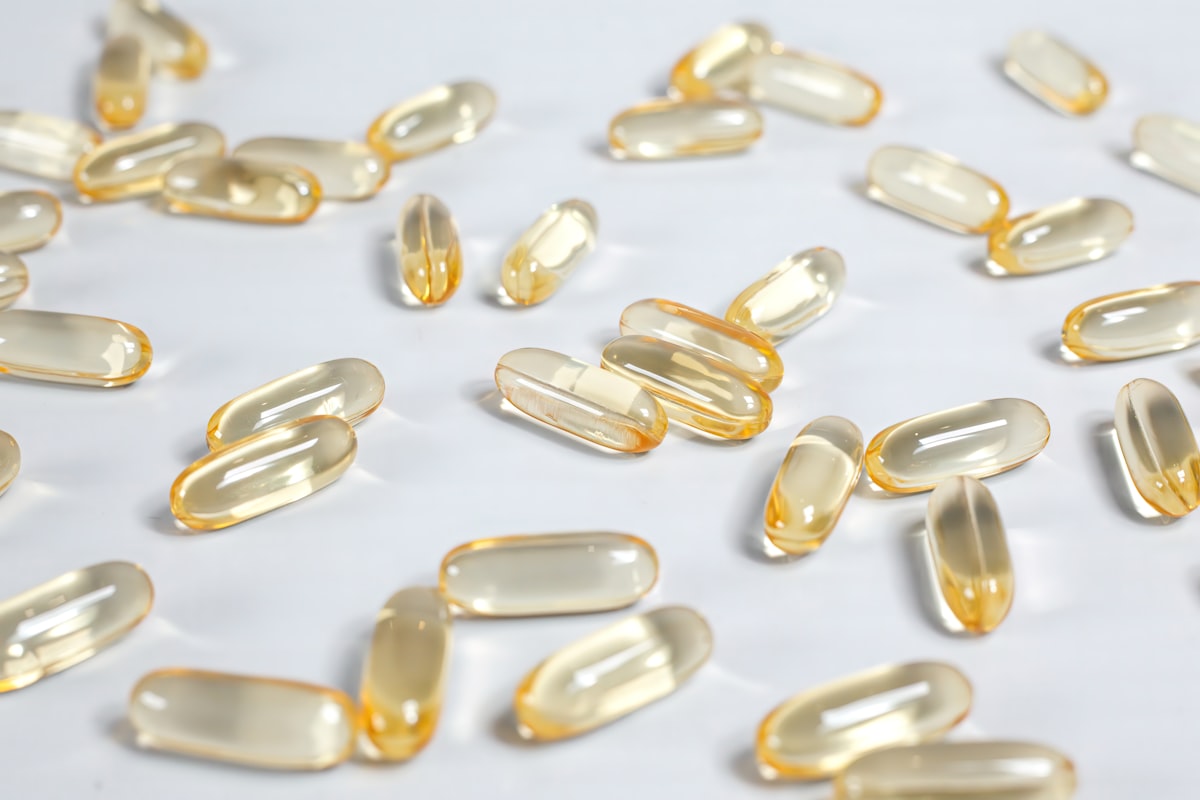
Amino acids are the building blocks of protein and play a crucial role in muscle synthesis, energy production, and recovery. For men engaged in resistance training or intense physical activity, understanding amino acid metabolism can be the difference between stagnation and continuous progress.
The human body uses 20 amino acids to construct and repair muscle tissue. Nine of these are essential — meaning your body cannot synthesize them, so they must come from food or supplemental sources. Proper amino acid intake ensures optimal protein synthesis and accelerates the recovery process between training sessions.
Faster Recovery: Amino acids reduce muscle soreness and accelerate tissue repair after intense workouts.
Enhanced Performance: Branched-chain amino acids support energy production and reduce fatigue during training.
Muscle Growth: Consistent amino acid intake optimizes muscle protein synthesis for steady gains.
Joint and Connective Tissue Health: Amino acids support collagen production and tissue integrity.
Essential Amino Acids for Muscle Recovery
Leucine
The primary trigger for muscle protein synthesis. Leucine activates mTOR pathways, signaling muscle cells to begin rebuilding and growth. Found abundantly in whey protein, eggs, and chicken, leucine is essential for maximizing workout results.
Isoleucine
A branched-chain amino acid that supports energy production during intense training. Isoleucine helps regulate blood glucose and reduces muscle breakdown during prolonged exercise, making it vital for endurance and strength athletes alike.
Valine
The third branched-chain amino acid, valine supports muscle metabolism and glucose availability during training. Valine helps preserve muscle mass during caloric deficits and contributes to faster recovery between sessions.
Methionine
An essential amino acid crucial for creatine production and protein synthesis. Methionine supports antioxidant defense and collagen formation, promoting joint health and overall tissue integrity during intense training phases.
Tryptophan
Essential for neurotransmitter synthesis and sleep quality. Proper tryptophan intake supports serotonin production, which regulates mood and sleep—both critical for recovery and consistent training performance.
Histidine
A semi-essential amino acid particularly important for athletes. Histidine precursor to carnosine, a dipeptide that buffers lactic acid buildup, reducing muscle fatigue and supporting endurance during high-intensity efforts.
Your 4-Step Recovery Protocol
Pre-Workout Preparation
Consume amino acids 30-60 minutes before training to prime muscle protein synthesis. A balanced meal with protein ensures adequate amino acid availability during your session.
During Training Support
For sessions longer than 90 minutes, consider intra-workout amino acid intake, particularly branched-chain amino acids, to maintain performance and reduce muscle breakdown.
Post-Workout Window
Within 30-60 minutes after training, consume protein containing all essential amino acids. This window maximizes muscle protein synthesis when your body is primed for nutrient uptake.
Daily Amino Acid Intake
Spread amino acid consumption throughout the day, aiming for 0.8-1.0 grams of protein per pound of body weight. Consistent daily intake supports continuous recovery and adaptation.
Real Results from Real Athletes
"Since implementing proper amino acid nutrition, my recovery between sessions has dramatically improved. I'm no longer dealing with excessive soreness, and I've noticed consistent strength gains. The information from Vitalitroutineformen has transformed how I approach nutrition and training."
5.0/5 — Rudi Hermawan, Jakarta
"I was skeptical about amino acid supplementation until I read the detailed guides. The science-backed approach helped me understand exactly which amino acids matter and why. My muscle gains accelerated significantly, and the muscle soreness reduced by half."
4.9/5 — Arjun Wijaya, Surabaya
"The comprehensive recovery guide broke down complex amino acid science into practical, actionable strategies. I implemented the 4-step protocol and noticed improvements in performance within two weeks. The editorial content is honest, detailed, and actually helpful."
5.0/5 — Budi Santoso, Bandung
Frequently Asked Questions
How much protein do I need for optimal muscle recovery?
Most research suggests 0.7-1.0 grams of protein per pound of body weight daily for active men engaged in resistance training. This translates to approximately 154-220 grams for a 220-pound athlete. Spread this intake across 4-5 meals to maximize amino acid availability and muscle protein synthesis throughout the day.
What's the difference between essential and non-essential amino acids?
Essential amino acids (nine total) cannot be synthesized by your body and must come from food or supplements. Non-essential amino acids can be synthesized from other amino acids and dietary compounds. For muscle recovery, all amino acids matter, but essential amino acids are non-negotiable for muscle protein synthesis.
Are branched-chain amino acids (BCAAs) necessary if I eat enough protein?
If you consume sufficient total protein with all essential amino acids, standalone BCAA supplementation is optional. However, BCAAs can be beneficial for intra-workout support during extended training sessions or during caloric deficit periods. They provide targeted recovery support without excessive total calories.
When is the best time to consume amino acids after training?
The post-workout window extends 1-2 hours after training. Consuming a protein-rich meal within 30-60 minutes optimizes muscle protein synthesis. However, overall daily protein intake matters more than precise timing. If you've eaten adequate protein beforehand, the immediate post-workout window is less critical.
Can I get all amino acids from whole food sources?
Yes, complete proteins from sources like chicken, eggs, beef, dairy, and legumes contain all essential amino acids. However, for convenience, timing, and muscle gains during high-volume training phases, supplemental amino acid sources can support your goals. Many athletes combine whole foods with strategic supplementation.
How do amino acids support recovery beyond muscle repair?
Amino acids support immune function, connective tissue repair, neurotransmitter synthesis, and hormonal balance. For example, tryptophan supports sleep quality, which is essential for recovery. Glutamine supports gut health and immune function. Comprehensive amino acid nutrition addresses all aspects of training recovery.
Deepen Your Recovery Knowledge
Explore our comprehensive recovery guide and discover science-backed strategies for maximizing your training results. Learn how elite athletes optimize amino acid nutrition for peak performance.
Subscribe for Latest Recovery Insights
Receive curated articles and recovery strategies directly to your inbox. We respect your privacy and send only valuable content.